

Affinity represents the intrinsic bond, attraction, or compatibility between two or more entities. This concept applies widely, from human relationships to science, marketing, and technology. Understanding affinity allows us to build better relationships, improve business strategies, and optimize scientific research. In this article, we explore affinity in all its dimensions, practical applications, and benefits.
The Core Definition of Affinity
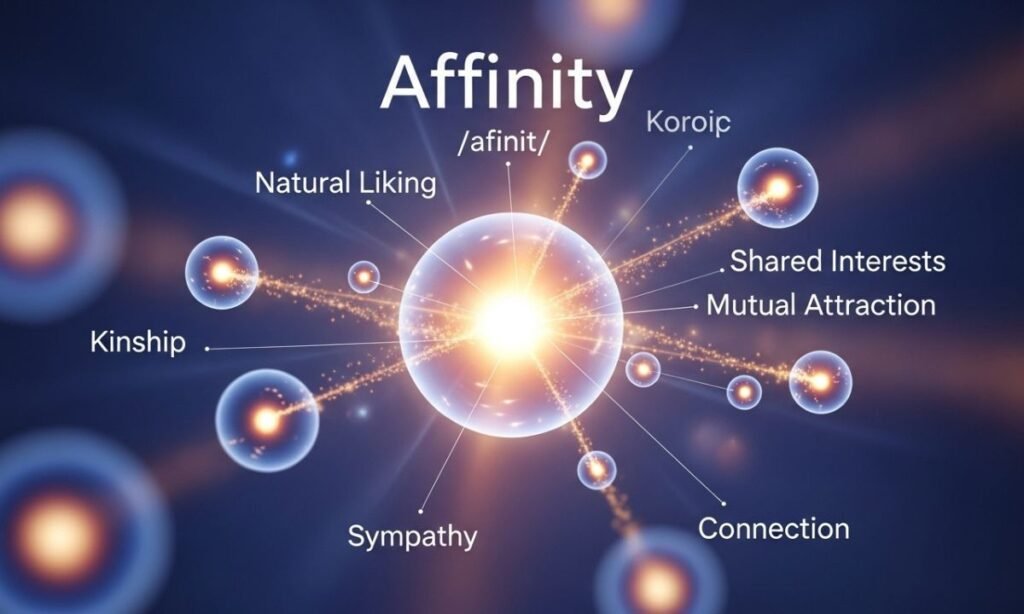
Affinity is the natural inclination of one entity towards another. It reflects connection, attraction, or harmony, often beyond conscious choice. This attraction can be:
- Emotional – Feeling naturally close or understanding another person.
- Intellectual – Sharing ideas, values, or cognitive compatibility.
- Physical or Chemical – Molecules or materials naturally combining due to inherent properties.
- Social or Cultural – Shared traditions, beliefs, or lifestyles.
The term originates from the Latin word affinitas, originally meaning kinship or relation by marriage, now expanded to represent any form of natural connection.
Types of Affinity and Their Importance
1. Emotional Affinity
Emotional affinity occurs when two or more individuals share similar emotional experiences or responses. This often results in:
- Deep friendships built on empathy and understanding.
- Romantic relationships where emotional synchronization creates intimacy.
- Team cohesion, as members resonate emotionally and collaborate effectively.
Key Tip: Emotional affinity is strengthened by active listening, empathy, and shared positive experiences.
2. Intellectual Affinity
Intellectual affinity is the connection formed through shared knowledge, interests, or problem-solving approaches.
- Encourages stimulating discussions.
- Drives collaboration in academic or professional environments.
- Fosters innovation, as aligned thinkers brainstorm effectively.
Example: Two software engineers with similar coding philosophies develop innovative solutions faster due to shared intellectual affinity.
3. Physical or Chemical Affinity
In scientific contexts, affinity measures how strongly molecules or substances attract each other.
- Enzyme-substrate interactions are governed by chemical affinity.
- Drug-receptor binding relies on molecular affinity for effectiveness.
- Materials or elements may naturally bond due to their atomic structure.
4. Social and Cultural Affinity
Social affinity stems from shared cultural backgrounds, traditions, or societal norms.
- Enables trust and rapport in multicultural teams.
- Encourages community formation based on shared values.
- Plays a crucial role in networking and social cohesion.
5. Brand-Customer Affinity
Brand affinity measures the emotional and psychological bond customers feel toward a product or company.
- Loyal customers advocate and promote brands organically.
- Brands that align with customer values, lifestyle, and beliefs see higher retention.
- Social media campaigns often leverage affinity marketing to enhance engagement.
Psychological Perspectives on Affinity
Psychology provides insight into how affinity shapes human behavior.
- Similarity Attraction Theory: People are naturally drawn to those who mirror their beliefs, behaviors, and traits.
- Complementarity Principle: Opposites can attract, creating balance and mutual growth.
- Attachment Styles: Secure attachment enhances emotional affinity; insecure attachment may create relational challenges.
Impact: Understanding psychological affinity helps in building strong personal relationships, improving team dynamics, and effective leadership.
Affinity in Business and Marketing
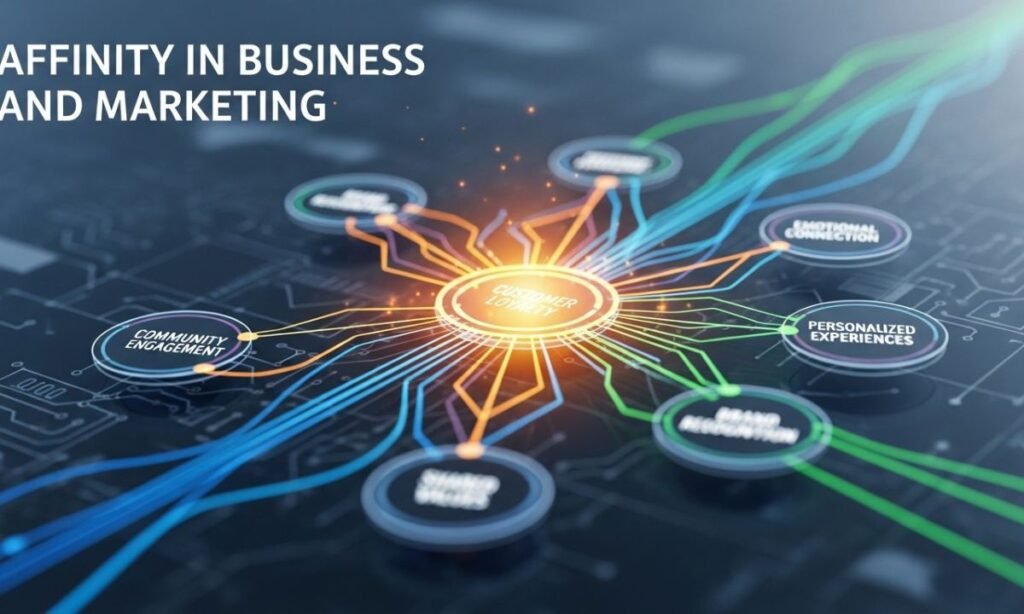
Businesses that leverage affinity create stronger customer engagement. Key strategies include:
- Personalization: Customizing messages based on consumer behavior and preferences.
- Community Engagement: Encouraging users to join forums, groups, or loyalty programs.
- Shared Values Promotion: Highlighting sustainability, ethics, or social causes that resonate with customers.
- Consistent Customer Experience: Ensuring trust, reliability, and satisfaction, fostering long-term loyalty.
Result: Companies that prioritize affinity enjoy higher brand advocacy, improved retention, and increased revenue.
Affinity in Science and Technology
Affinity is fundamental in scientific research and technological applications:
- Chemical Affinity: Determines molecule interactions, reaction rates, and compound stability.
- Biological Affinity: Critical in enzyme-substrate and drug-receptor interactions.
- Technological Affinity: Algorithms use affinity scores to recommend content, optimize search results, and enhance user experience.
Example: Streaming platforms recommend shows by analyzing user-content affinity, improving engagement and satisfaction.
Affinity vs. Similarity
While related, affinity and similarity are not identical:
| Feature | Similarity | Affinity |
| Definition | Shared characteristics or traits | Natural attraction or bond |
| Basis | Attributes, behaviors | Emotional, intellectual, or functional connection |
| Result | Recognition of likeness | Deep connection, loyalty, or attraction |
Insight: Similarity can create the foundation for affinity, but affinity involves emotional or functional resonance beyond mere resemblance.
Benefits of Recognizing and Leveraging Affinity
- Enhanced Relationships – Strong emotional and intellectual connections improve communication and collaboration.
- Productivity and Teamwork – Teams with high affinity work efficiently, resolve conflicts smoothly, and innovate faster.
- Customer Loyalty – Businesses that resonate emotionally with their audience build strong brand loyalty.
- Scientific Accuracy – Recognizing affinity in molecules or organisms enables precise experimentation and discoveries.
- Marketing Efficiency – Targeted campaigns based on affinity result in higher engagement and conversion rates.
Practical Tips to Build Affinity
- Active Listening: Understand others’ perspectives attentively.
- Shared Experiences: Participate in activities, projects, or events together.
- Positive Reinforcement: Express appreciation and acknowledge contributions.
- Learning Together: Share knowledge to strengthen intellectual bonds.
- Consistency: Reliability builds trust and fosters long-term connections.
Digital Tip: Online communities thrive when members and brands align values, interests, and engagement, creating digital affinity networks.
Affinity in the Digital Era
Online, affinity is measured through engagement metrics: likes, shares, comments, and click-through rates. Algorithms detect patterns of affinity to suggest content, products, and social connections.
Applications:
- Social Media Marketing: Tailored campaigns foster loyalty and engagement.
- E-commerce: Personalized recommendations boost conversions.
- Content Platforms: Affinity scoring improves user satisfaction and retention.
Insight: Understanding digital affinity allows brands and creators to maximize outreach and strengthen online presence.
Advanced Applications of Affinity
- Neuroscience: Brain studies show neural affinity, where certain stimuli naturally elicit positive responses.
- AI and Machine Learning: Algorithms predict user preferences by analyzing affinity patterns.
- Networking and Collaboration: Professionals use affinity to build meaningful partnerships.
- Education: Teachers leverage student-teacher affinity to enhance learning outcomes.
Affinity in Networking and Professional Growth
Affinity plays a crucial role in career advancement and professional networking. People naturally gravitate towards colleagues, mentors, and collaborators with whom they share common values, professional goals, or work ethics.
- Mentorship: Professionals often connect with mentors they feel an affinity toward, accelerating skill development.
- Collaboration: Teams with high affinity exhibit enhanced creativity, innovation, and problem-solving capabilities.
- Networking: Building connections based on shared goals or interests creates long-term career opportunities.
Pro Tip: Attend industry events, join professional associations, and participate in collaborative projects to develop affinity-driven connections.
Affinity in Education and Learning
Affinity affects student engagement, learning outcomes, and teacher-student relationships. When learners feel an intellectual or emotional connection with the material or instructor, retention and comprehension improve.
- Student-Teacher Affinity: Students respond better to instructors who understand their learning styles and interests.
- Peer Affinity: Study groups formed on shared interest or complementary skills often perform better academically.
- Curriculum Design: Educational content tailored to students’ interests increases engagement and motivation.
Example: Language learning apps often recommend courses based on affinity scores between user interests and content type, increasing completion rates.
Affinity in Emotional Intelligence and Leadership
Leaders with high emotional intelligence recognize and leverage affinity within their teams to inspire and motivate.
- Empathy and Understanding: Leaders who identify affinity among team members foster collaboration and trust.
- Conflict Resolution: Recognizing shared values and connections reduces misunderstandings.
- Employee Retention: Teams with strong affinity often remain loyal and committed, reducing turnover.
Insight: Emotional affinity in leadership creates a supportive workplace culture, boosting productivity and morale.
Affinity in Romantic Relationships

Affinity is fundamental in forming romantic connections. Partners often bond over shared values, emotional compatibility, and common goals.
- Emotional Compatibility: Couples with similar emotional responses experience stronger intimacy.
- Shared Interests: Hobbies, travel, or lifestyle choices enhance daily interactions and happiness.
- Conflict Management: Affinity improves understanding, enabling couples to navigate disagreements constructively.
Example: Studies show couples with high intellectual and emotional affinity report higher satisfaction and long-term commitment.
Affinity in Social Media and Online Communities
Digital platforms rely on affinity to keep users engaged. Social media algorithms assess user behavior to determine affinity with content, communities, or influencers.
- Content Recommendations: Posts, videos, and articles are suggested based on affinity with user preferences.
- Influencer Engagement: Followers feel closer to influencers whose values and personalities match their own.
- Community Building: Groups formed around shared interests create strong digital affinity networks.
Tip: Brands can boost engagement by analyzing digital affinity and tailoring campaigns to audience interests.
Affinity in Consumer Behavior
Consumer behavior is strongly influenced by brand affinity. When customers feel connected to a brand:
- Repeat Purchases: Loyalty drives consistent buying patterns.
- Word-of-Mouth Marketing: Satisfied customers recommend brands to peers.
- Emotional Attachment: Customers often perceive brands as extensions of personal identity.
Example: Companies like Apple or Nike cultivate affinity through design, messaging, and lifestyle alignment, creating devoted brand communities.
Cultural and Global Affinity
Affinity extends to cross-cultural understanding and global interactions. Shared traditions, language, and customs enhance collaboration across borders.
- Business Diplomacy: Cultural affinity fosters trust in international partnerships.
- Tourism: Travelers are drawn to destinations that resonate with their cultural preferences.
- Global Marketing: Brands that respect cultural values build affinity and market acceptance worldwide.
Insight: Global affinity promotes cooperation, understanding, and sustainable relationships across nations.
Affinity in Health and Wellness
Affinity also influences health outcomes and wellness behaviors. People often adopt healthier habits when aligned with supportive networks or communities.
- Fitness Communities: Shared goals create motivation and accountability.
- Mental Health Support: Emotional affinity with support groups reduces stress and isolation.
- Lifestyle Programs: Health plans tailored to interests and personality increase adherence and success rates.
Example: Online wellness programs often match users with mentors or peers based on affinity scoring, improving engagement.
Practical Exercises to Identify and Enhance Affinity
- Reflect on Personal Values – Identify what resonates emotionally and intellectually with you.
- Engage in Group Activities – Observe connections formed naturally.
- Active Listening Practice – Strengthen emotional and intellectual understanding.
- Affinity Mapping – Create a visual chart of relationships and shared interests to enhance team collaboration.
- Brand Affinity Exercises – For businesses, survey customers to identify alignment with values and lifestyle.
Benefit: These exercises help recognize, nurture, and leverage affinity in personal and professional life.
Conclusion
Affinity is a universal principle that drives human connections, business success, scientific discovery, and digital engagement. By recognizing and nurturing affinity, individuals and organizations can forge stronger bonds, foster loyalty, and achieve greater efficiency. Its applications are limitless—from emotional connections in relationships to molecular interactions in science and algorithm-driven recommendations online.
Understanding and leveraging affinity is not just a strategy—it is a pathway to meaningful connections and lasting impact.
FAQs About Affinity
What does affinity mean in simple terms?
Affinity is the natural attraction or connection between people, objects, or ideas.
How is affinity different from similarity?
Similarity is about shared traits, while affinity is about emotional or functional attraction resulting from those traits or complementary factors.
Why is affinity important in business?
It helps create emotional connections with customers, building loyalty and long-term engagement.
Can affinity be developed or improved?
Yes, through communication, shared experiences, trust-building, and common goals.
What is affinity in science?
In science, it describes the strength of attraction between molecules, enzymes, or drugs and receptors.

Sarah Mitchell is a creative writer and content enthusiast who believes in the timeless power of words. With a passion for literature and expression, she dedicates her work to crafting relatable and meaningful pieces that inspire and connect with readers.
At ShayariStream, Sarah focuses on curating English Shayari, Quotes, Messages, and Status & Meanings that capture emotions and moments in the most authentic way. Her writing reflects everyday feelings—from love and happiness to motivation and reflection—making it easy for people to find words that truly resonate.
Sarah’s mission is to help readers express their thoughts beautifully, whether it’s through a heartfelt message, an inspiring quote, or a simple status update. Her commitment to quality and creativity ensures that every visitor to ShayariStream leaves with words that add meaning to their lives.